Where to stay near the Eiffel Tower
Is it worth staying near the Eiffel Tower?
It suits travellers who want the tower as a constant view and a calmer, more residential base. The trade-off is honest: less evening street life than Le Marais or the Latin Quarter, and a metro ride or a real walk to reach the Louvre or Ile de la Cite.
The Eiffel Tower as a constant reference point
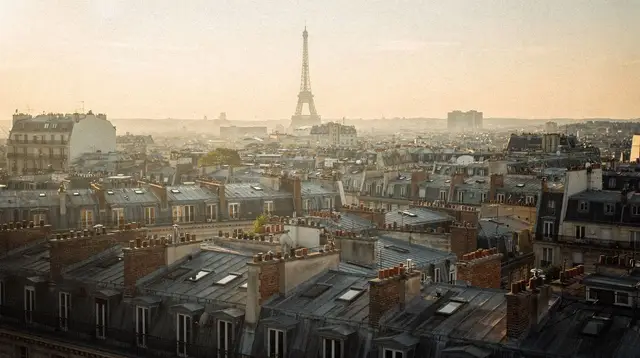
The Eiffel Tower is hard to miss from this part of Paris, and that’s the point. Built for the 1889 World’s Fair and standing at roughly 330 m with its antennas, it anchors the streets around the Champ de Mars on one bank of the Seine and the Trocadero on the other. Staying here means the tower is visible from café terraces, apartment windows, and the end of several streets — a genuinely different experience from booking a room where you have to plan a trip just to see it.
That visual constant is the honest reason to choose this base. It is also, on its own, not quite enough information to book a room. This guide sets out what the neighbourhood actually offers day to day, and what it asks you to give up compared with more central options.
What this area actually is
The streets around the Champ de Mars and the Trocadero gardens sit in a mostly residential part of Paris. Wide 19th-century apartment buildings, quiet side streets, a scattering of neighbourhood bakeries and bistros, and long sightlines toward the tower define the feel. It’s polished and orderly rather than lively.
That’s different from what many first-time visitors picture when they imagine “a Paris neighbourhood.” There’s no dense web of small bars, late-night bistros, or street markets spilling into the evening the way there is in Le Marais or the Latin Quarter. If your idea of a good evening is wandering out the door into a crowded, buzzing street scene, this area will feel muted by comparison.
The honest trade-off: views and calm versus centrality
This is the core decision the page is built around, and it’s worth stating plainly rather than glossing over.
What you gain by staying near the Eiffel Tower:
- A landmark view, sometimes from the room itself, more often from the street outside
- Quieter nights and calmer streets, useful if you’re travelling with young children or simply want to sleep well
- Direct proximity to the tower itself, the Champ de Mars lawns, and the Trocadero terraces and gardens across the river
What you give up:
- Easy walking access to the Louvre, Ile de la Cite, and Notre-Dame de Paris, all of which require a metro ride or a genuinely long walk from here
- The kind of evening street life — restaurants filling up, bars staying open, people out late — that defines Le Marais and the Latin Quarter
- Being within a short walk of most of the museums and monuments that fill a typical Paris itinerary
Neither side of that trade-off is wrong. It depends on what you actually want from your evenings and how much you mind a metro connection each time you head toward the historic core.
Getting to the rest of Paris from here
Access to other neighbourhoods is workable but not immediate, and it’s worth being realistic about it before you book. Reaching the Louvre and Tuileries or the Ile de la Cite and Notre-Dame means a metro connection or a walk that runs well over half an hour along the river. That’s manageable once or twice, but it adds up if you’re planning several museum days.
By contrast, staying in Le Marais or Saint-Germain-des-Prés puts you within easier walking distance of the Louvre, Ile de la Cite, and the Latin Quarter’s own sights. If your plan is mostly museum-hopping in the historic centre, that shorter walk is worth weighing seriously against the view from your window.
Public transport here is reasonable. The area sits within reach of both the metro network and RER lines that connect toward central Paris; see the Paris metro guide for how the wider system fits together. It’s not a transport desert — it’s simply a neighbourhood where you’ll use the metro more often than you would from a more central base.
What’s actually walkable from here
To be fair to the area, quite a lot is walkable if the tower and its immediate surroundings are your priority:
- The Eiffel Tower itself and the Champ de Mars lawns
- The Trocadero gardens and terraces, across the Seine, with their own tower views — see the Trocadero and Champ de Mars guide for how the two sides connect
- Riverside walks along the Seine in both directions
- A handful of solid neighbourhood restaurants and bakeries, without the density of options found in more central districts
If your plan for a day is “see the tower properly, walk along the river, eat well without needing a reservation weeks ahead,” this base delivers that comfortably. It’s when your itinerary pulls you toward the Louvre, the Latin Quarter, or Montmartre on a daily basis that the distance starts to matter.
Booking the tower itself
However you organise your stay, the tower deserves some advance planning of its own. A reserved time slot is strongly recommended, whether you’re heading to the second floor or the summit — turning up without one can mean a long wait or missing your preferred time entirely. The Eiffel Tower tickets and tours guide walks through the practical choices, and the Eiffel Tower summit vs second floor guide helps decide which level suits your visit. For a wider view without the climb, the best views in Paris guide covers the Trocadero and other vantage points.
Staying nearby doesn’t remove the need to plan the visit itself — proximity gets you to the base of the tower quickly, not through the door without a booking.
a quick private photography session set up right at the Eiffel Tower is one way to make the most of being based this close, without needing to build an entire day around it.
Staying alert around the tower
The crowds at the base of the Eiffel Tower are a known pickpocket spot, in the queues, around the security checks, and in the viewing areas where everyone’s attention is on the view rather than their bags. It’s the same pattern seen at other major Paris landmarks: dense crowds, distracted visitors, and easy opportunities for someone working the queue. Keep bags closed and in front of you, and be wary of anyone approaching with a petition, a “found” ring, or a friendship bracelet — all documented scams at Parisian monuments. The Paris scams and pickpockets guide covers the specific patterns to watch for.
None of this should turn a visit into something tense. It’s simply the same ordinary caution worth applying at any crowded landmark.
Making the most of a quieter base
The residential character of this area isn’t only a limitation — it can be an asset if you plan around it rather than against it. A morning bike ride along the river before the crowds build, or an evening spent on the Trocadero terraces watching the tower light up, both play to what this neighbourhood does well.
an evening bike tour that also includes access to the Montparnasse Tower pairs a ride through these quieter streets with a rooftop view from the other side of the city, which is a useful way to see Paris from above without the Eiffel Tower’s own queues.
For a slower morning, a paint-and-brunch session set near the Eiffel Tower fits naturally into a base built around calm mornings rather than late nights out.
If your stay includes museum visits further afield, the Paris Museum Pass covers entry to more than 50 museums and monuments across Paris and the wider region over several consecutive days, which can make the extra travel time toward the Louvre or Ile de la Cite feel more worthwhile.
Comparing this base to the alternatives
It helps to be specific about what the other main options offer, rather than treating “central Paris” as one undifferentiated choice.
| Base | Strength | Trade-off |
|---|---|---|
| Eiffel Tower / Trocadero | Landmark views, quiet streets, direct tower access | Less evening life, longer trip to the historic core |
| Le Marais | Easy walk to Ile de la Cite and many museums, lively evenings | Busier streets, fewer tower views |
| Latin Quarter | Central, walkable to Notre-Dame and the Seine’s Left Bank | Can be noisy near the main student streets |
| Saint-Germain-des-Prés | Left Bank charm, close to the Louvre and Musée d’Orsay | Higher demand, less of a “view” neighbourhood |
| Montmartre | Village feel, Sacré-Cœur views, active evenings | Hilly streets, further from the river sights |
None of these is objectively better. Le Marais and the Latin Quarter both sell easy walking access to historic monuments as their main draw; this neighbourhood sells the tower view and quieter nights instead. Deciding between them is really a question of what you’ll spend your evenings doing.
Getting around once you’ve chosen this base
If you do settle on the Eiffel Tower area, a bicycle is a genuinely practical way to cover ground that isn’t within comfortable walking distance. Paris by bike gets you along the Seine toward the Louvre or across to the Left Bank faster than walking and more flexibly than waiting for a train, without committing to a fixed metro route.
For a broader look at getting around the city day to day, including the metro, RER, and ticketing changes that took effect in January 2025, the Paris metro guide and the general how to visit the Eiffel Tower guide are useful companions to this one. If you’re mapping out a multi-day plan that includes both this neighbourhood and the historic centre, the three days in Paris itinerary shows how the distances actually fit together across a trip.
The bottom line
Choosing to stay near the Eiffel Tower means choosing the view and the calm over the convenience of walking to everything else. It’s a fair trade for travellers who want the tower as a daily backdrop and don’t mind a metro ride toward the Louvre, Ile de la Cite, or the Latin Quarter. It’s a poorer fit for anyone whose priority is walking to as many monuments as possible or staying somewhere with real evening buzz on the doorstep. Weigh that honestly against Le Marais or the Latin Quarter before booking, and plan the tower’s own visit — with a reserved time slot — regardless of where you sleep.
Where to stay near the Eiffel Tower: frequently asked questions
Is the area around the Eiffel Tower a good base for a first visit to Paris?
It works if you want the tower nearby and a quieter, more residential feel. If you’d rather walk to most major sights, Le Marais or the Latin Quarter sit more centrally.
How far is the Eiffel Tower area from the Louvre?
It’s a metro ride or a long walk, not a short stroll. Budget real transfer time rather than assuming you can cross on foot in a few minutes.
Is it lively at night near the Eiffel Tower?
Less than Le Marais or the Latin Quarter. The Champ de Mars and Trocadero side is largely residential, with fewer bars and late restaurants within easy walking distance.
Do I need to book Eiffel Tower tickets in advance if I stay nearby?
Yes. Staying close by doesn’t remove the need for a reserved time slot; booking ahead is still strongly recommended, whichever floor or summit you plan to visit.
Are pickpockets a concern around the Eiffel Tower?
The crowds at the base of the tower are a known pickpocket spot, as they are at other major Paris landmarks. Keep bags closed and stay alert in the queues and viewing areas.
What’s the main compromise of staying near the Eiffel Tower?
You trade some centrality and evening buzz for views, quiet streets, and proximity to the tower and the Trocadero gardens.
Which other neighbourhoods should I compare before booking?
Le Marais and the Latin Quarter both offer easier walking access to historic monuments and more evening life; each has its own honest trade-offs worth reading before you decide.
Paris trip planning guides on GetYourGuide
Verified deep-linked GetYourGuide tours. Book through these links and we earn a small commission at no cost to you.
GetYourGuide does not provide a product photo for this activity — the image shows the meeting point, photographed by us.