Paris cabaret shows and concerts
What is the difference between a Paris cabaret show and a concert?
A classic cabaret revue is a choreographed variety show with dancers, costumes and live music, built around a fixed running order and often paired with dinner or champagne. A concert or contemporary show is a single artist or company performing in a theatre or concert hall, closer to a standard ticketed performance than a themed evening out.
Classic cabaret or contemporary show: how to decide
Paris has two genuinely different kinds of evening entertainment that visitors tend to lump together under “cabaret.” One is the classic cabaret revue: a choreographed variety show with a large cast, costumes, live music and a fixed running order, usually sold with dinner, a lunch service, or a show-only seat and a drink. The other is a contemporary concert, revue or theatre show, closer in format to a normal ticketed performance, with a single act or company on stage and a room built for listening rather than a themed night out.
Both categories exist across the whole city, not in one neighbourhood. This guide treats them side by side, at the scale of Paris as a whole, so that the choice comes down to what kind of evening you want and how much of it you want to spend sitting through a meal, rather than which quarter you happen to be staying in. Quarter-level pages cover daytime sightseeing in specific areas; this one is about what to do after dark, wherever in Paris you end up.
Where the shows and venues sit across the city
The best-known cabaret name, the Moulin Rouge, is in Montmartre, and that association is why people assume cabaret is a Montmartre thing. It is not. Other classic cabaret houses and show-only clubs operate near the Champs-Elysees and the Opera district, along the Left Bank, and in venues that do not appear on typical sightseeing itineraries at all. Concert halls and contemporary revue theatres are scattered further still, including around Palais Garnier and elsewhere in central Paris.
Practically, this means the choice of show should drive the booking, not the other way around. Do not pick a cabaret because it happens to be near your hotel; the format, the audience it is built for, and whether it includes a meal matter more than the walk from your room.
| Format | What it includes | Typical length | Best suited to |
|---|---|---|---|
| Cabaret dinner show | Seated meal plus full revue | Longest of the three | A full evening out, special occasions |
| Cabaret show-only | Seat and usually a drink, no meal | Shorter, later start | Visitors on a tighter evening budget of time |
| Concert or contemporary show | Single act or company, theatre-style seating | Varies by venue | Visitors who want a performance, not a themed night |
Classic cabaret revues
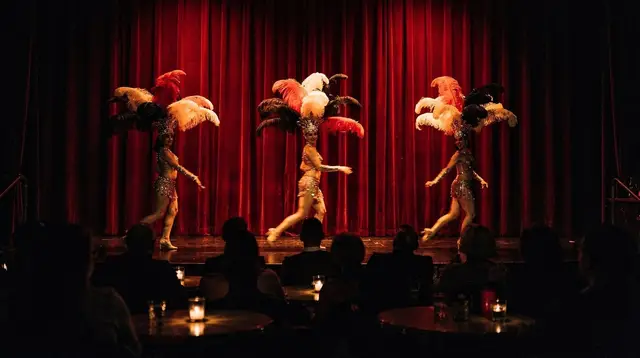
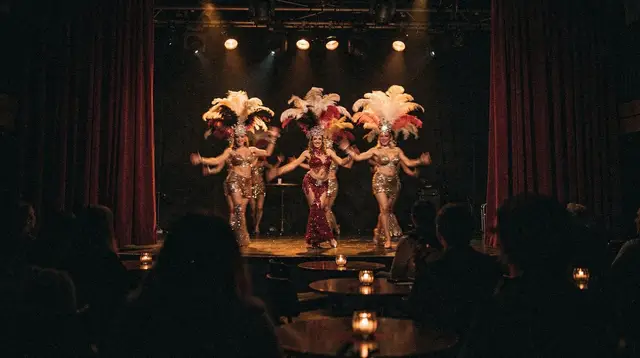
A classic Paris cabaret revue is built around a large cast, elaborate costumes and sets, and a fixed sequence of numbers that rarely changes night to night. The audience is overwhelmingly visitors rather than locals, the shows run in multiple languages or with minimal dialogue so language is not a barrier, and the room is designed to seat a large number of people at once, in tiers or around cabaret-style tables.
This is the format most people mean when they picture “Paris by night.” A Paris cabaret revue such as La Nouvelle Eve follows this pattern: large-scale choreography, live music, and a room built for a big evening rather than a quiet one. Expect a clear consumer-facing distinction between the higher-priced dinner package and the lower-priced show-only ticket, with the meal adding real time to the evening rather than being a token extra.
Some cabaret venues sell a show-only club format rather than a dinner-and-revue evening. A show-only cabaret club ticket, such as Cabaret Oh Cesar, gets you into the room later in the evening, usually with a drink included, and skips the meal entirely. This is the version to look at if the appeal is the performance itself rather than a long seated dinner.
A third classic format is the lunch show, which moves the same style of revue into the middle of the day. A lunch show at a cabaret venue such as Paradis Latin compresses the meal and a shortened performance into a daytime slot, which suits visitors who want the cabaret experience without giving up an evening, or who are travelling with an early bedtime in the schedule.
Contemporary concerts and revues
Away from the classic cabaret format, Paris also runs a full calendar of concerts, contemporary revues and theatre shows in dedicated halls. These are closer to what a visitor from most other major cities would recognise as a normal night at a show: a single artist, band or company performing to a seated audience, without the large cast, fixed variety format or dinner service that defines cabaret.
This category draws a more mixed audience of Parisians and visitors, because the programme changes with what is touring or in season rather than running the same revue every night of the year. It suits visitors who find the classic cabaret format too staged for a tour-group crowd, or who simply want to see a specific act or genre while they are in the city. Because programming rotates, availability and format vary far more here than with the fixed cabaret revues, so checking exactly what is running on your dates matters more than usual.
Dinner show, lunch show, or show-only: matching the format to your evening
The real decision most visitors face is not which venue looks nicest in photos, but how much of an evening they want to give up. A dinner show can run to several hours once the meal, service and full revue are accounted for, which is a significant chunk of an evening in a city with a lot else to do after dark. A show-only ticket compresses that considerably, starting later and covering only the performance.
If the evening already includes another activity, such as a walk along the Seine or dinner elsewhere in the city, a show-only cabaret ticket or a shorter contemporary concert fits more realistically than a full dinner show layered on top. Some visitors also look to combine an evening cabaret with an earlier activity elsewhere in the city; a guided outing such as a Paris gourmet food tour earlier in the day covers the meal-focused part of the trip, freeing the evening for a show-only cabaret seat rather than a second full sit-down dinner. Visitors who want to see the city lit up before a show sometimes add an evening sightseeing outing first, such as a sidecar tour of Paris, before heading to a show-only cabaret club later the same night.
Booking timeline and seating
This is the point where consumer-protection advice matters most: cabaret revues and concert halls both work on fixed seating with a hard cap on the room, and the best-positioned seats, whether that means proximity to the stage in a cabaret room or a good sightline in a concert hall, sell out well before the show date. Waiting until the week of your stay to book a well-known cabaret revue routinely means settling for a worse seat, or in some cases no seat at all on your preferred night.
Booking further ahead also gives more flexibility on format: choosing between a dinner show and a show-only ticket, or between an early and late seating, is easier when there are still multiple slots open. Closer to the date, options for the classic revues in particular tend to narrow to whatever is left rather than what actually suits your evening.
No exact price or start time is quoted here deliberately, because both vary by venue, by season and by exact seating category. Check the specific time and seating tier at the point of booking rather than assuming it matches what a friend paid or a previous trip’s schedule.
Who each type of evening suits
A classic cabaret dinner show suits visitors who want one clearly memorable evening out, are comfortable with a large-scale, visitor-oriented production, and are happy to commit several hours to it. It is a common choice for a special occasion during a Paris trip, but it is not a quiet or intimate evening, and the audience size and pacing reflect that.
A show-only cabaret ticket or a lunch show suits visitors who want to see the format without the full time or cost commitment of the dinner package, or who are fitting the show around another evening plan.
A contemporary concert or revue suits visitors who would rather see a specific artist, band or company than a fixed variety format, and who are comfortable with programming that depends on what happens to be running during their stay rather than a show that runs unchanged every night of the year.
None of these formats is inherently the “right” choice; they suit different kinds of evenings and different tolerances for a long, large-scale production versus a shorter, more focused one.
Questions about cabaret shows and concerts in Paris
Do I need to book a Paris cabaret show in advance?
Yes. Cabaret revues and dinner shows run on a fixed schedule with limited seating per performance, and the best-positioned tables and show-only seats are sold well before the date. Booking a few weeks ahead is safer than trying for a same-week seat.
What is the difference between a dinner show and a show-only ticket?
A dinner show includes a seated meal before or during the performance and runs longer overall. A show-only ticket, sometimes with a glass of champagne, gets you into the room later and for less time, with seating usually further from the stage.
Is a Paris cabaret show suitable for children?
Most classic cabaret revues are built for an adult audience and include some level of undress as part of the choreography. Families looking for an evening show should check the specific format before booking rather than assume any cabaret is family-friendly.
Where in Paris are cabaret shows and concert venues located?
They are spread across the city rather than clustered in one district. Montmartre is home to the best-known cabaret, but other venues and concert halls sit near the Champs-Elysees, the Opera district and elsewhere, so the choice is not tied to a single neighbourhood.
How long does a typical cabaret evening last?
A dinner show usually runs the longest, covering the meal and the full revue. A show-only ticket is shorter, generally covering just the performance itself. Exact running times vary by venue and are worth checking at booking.
Can I combine a cabaret show with a Seine dinner cruise on the same night?
Some visitors do, but a Seine dinner cruise and a full cabaret dinner show both run for a good part of an evening. Pairing a shorter Seine cruise with a show-only cabaret ticket is more realistic than combining two full-length dinner formats in one night.
Are the classic Paris cabarets touristy?
The best-known cabaret revues are aimed squarely at visitors and run in multiple languages with large audiences. Smaller cabaret venues and contemporary concert formats tend to draw a mix of Parisians and visitors and feel less staged for a tour-group crowd.
For daytime sightseeing in the district where the best-known cabaret sits, see things to do in Montmartre and the wider Montmartre destination guide. For other evening options, compare with a Seine dinner cruise or browse the full Paris at night guide. Visitors weighing the best-known revue specifically should read Moulin Rouge tickets and shows and the related questions on is the Moulin Rouge worth it and what to wear to the Moulin Rouge.
For a broader view of the category, see the Paris cabaret guide and the things to do: cabaret shows and night tours category pages. Concert-goers interested in a grander venue can also read the Palais Garnier guide. If you are planning an evening around a wider view of the city first, see best views in Paris, and if you are still working out how many evenings to allow for, see how many days in Paris and the Champs-Elysees and Opera destination guide, or fit an evening show into a broader plan with the Paris weekend itinerary.
Moulin Rouge and Paris cabaret shows on GetYourGuide
Verified deep-linked GetYourGuide tours. Book through these links and we earn a small commission at no cost to you.
GetYourGuide does not provide a product photo for this activity — the image shows the meeting point, photographed by us.